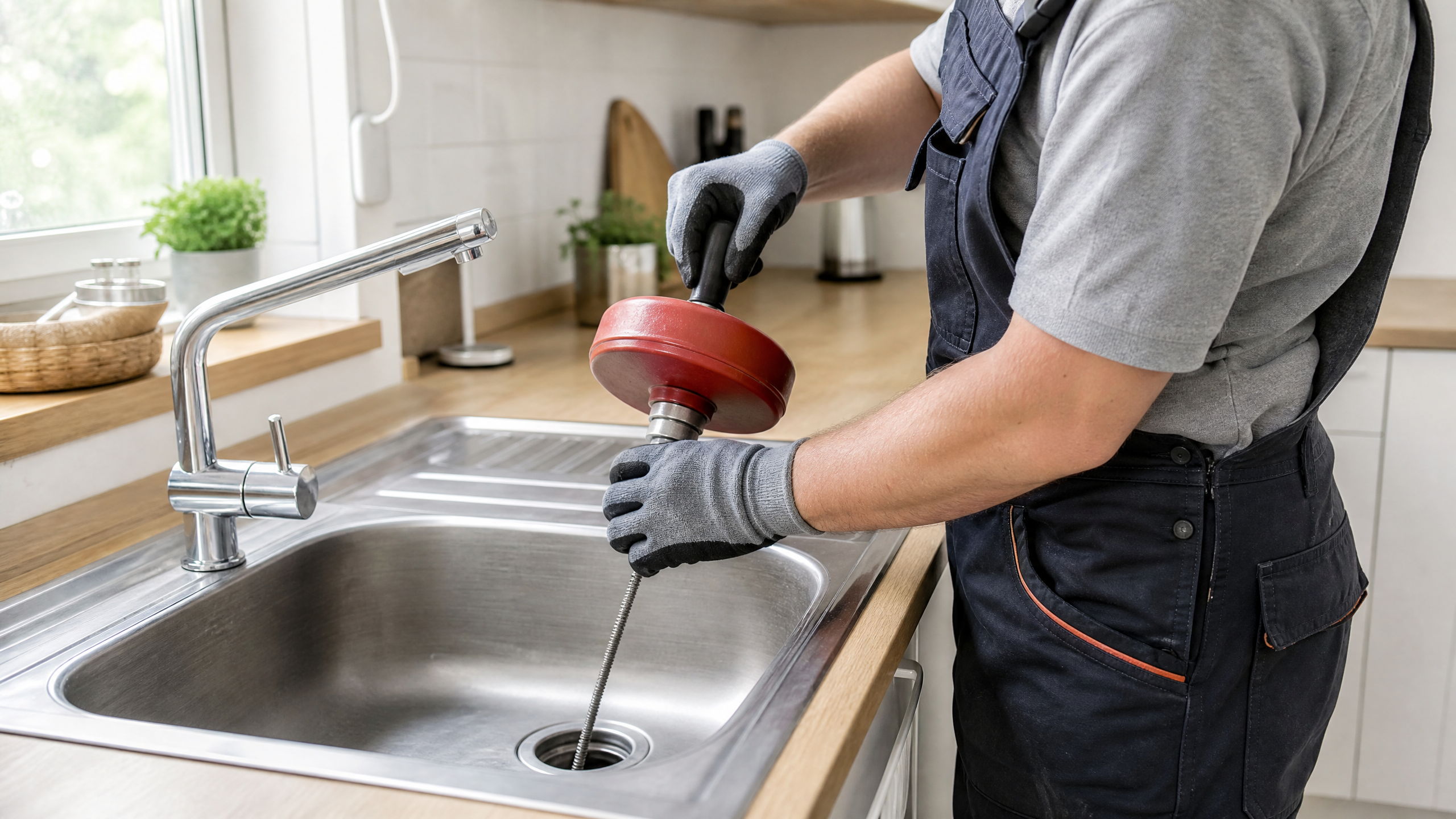
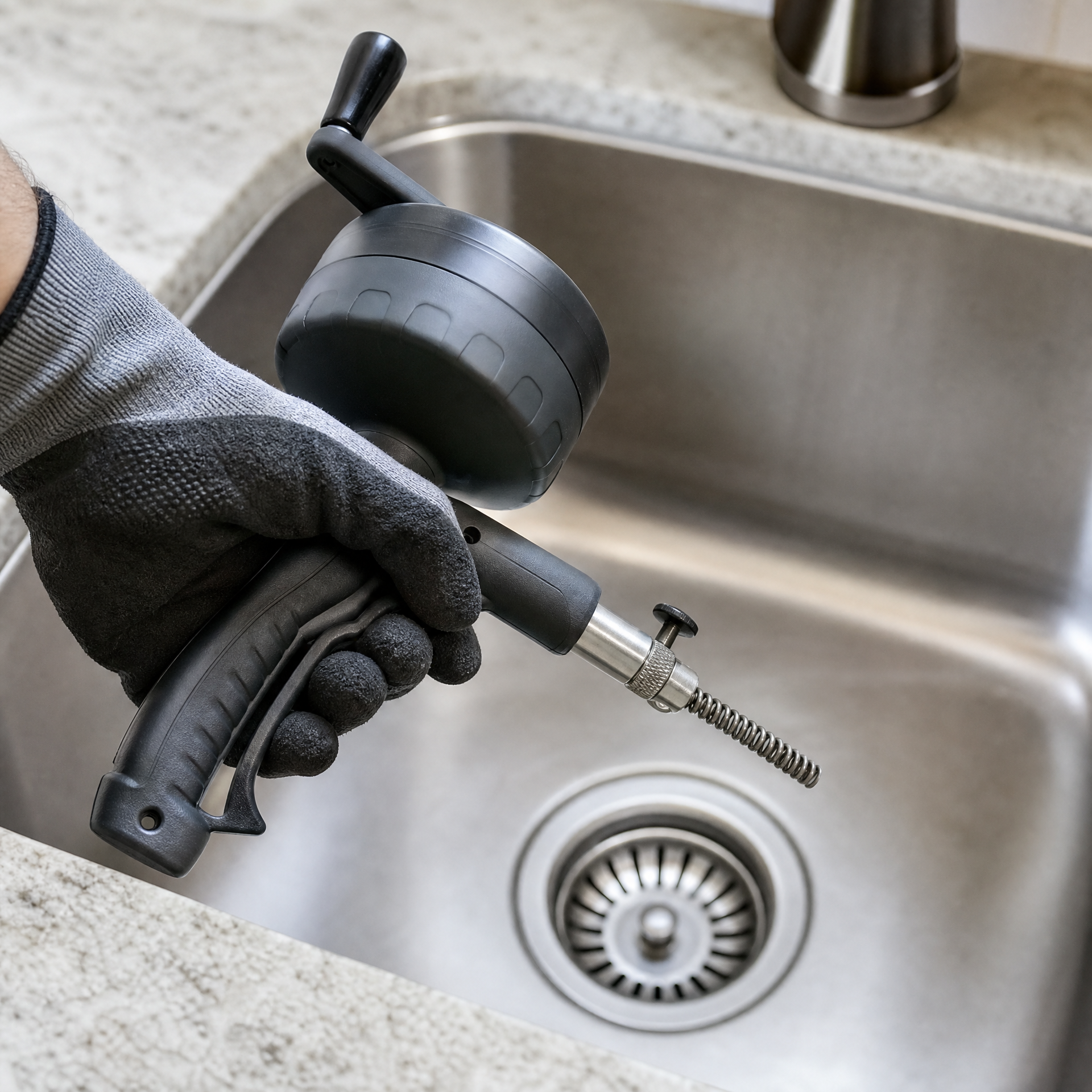
A slow or blocked drain is disruptive, but the first response should be calm and methodical. Acting too aggressively can push a blockage further into the pipework, damage a fitting or create a mess that makes the source harder to identify. A few careful observations can help determine whether the issue is local to one fixture or may involve a shared pipe.
Start by stopping the flow of water into the affected sink, basin or shower. Remove any visible debris from the plughole without forcing tools into the opening. Then note what you observe: is the water draining slowly, standing completely still, producing unusual sounds or affecting another outlet? If the situation is more than a minor local issue, professional drain cleaning in Berlin can provide an appropriate next step.
Identify the scope before trying a remedy
A blockage in a single bathroom basin may be caused by hair, soap residue or small objects near the trap. A kitchen sink often accumulates fats and food residue over time. If several fixtures are affected at once, or if water backs up elsewhere when an appliance drains, the issue may be further along the system. That is an important distinction because a simple local measure will not solve a problem in a larger pipe run.
Avoid mixing chemical products. Different cleaners can react unpredictably, and strong products may be hazardous to handle. They can also complicate later work, especially if a professional needs to open a trap or inspect the line. Mechanical methods should be used cautiously and only where the user understands the fixture and can work without causing damage.
Take sensible first steps
For a visible, accessible build-up, cleaning the plug assembly and wiping away trapped residue may help. A plunger can sometimes be effective when used with care and a good seal, provided the overflow opening is covered where appropriate. If you choose to remove a trap, place a container underneath, work slowly and reassemble it correctly. Do not dismantle concealed connections or use makeshift metal implements that can scratch or puncture a pipe.
When the blockage persists, recurs frequently or affects more than one outlet, it is time to get help with a blocked drain rather than repeat increasingly forceful attempts. Repeated symptoms can point to a build-up beyond the immediate fixture and may need suitable equipment to locate and clear safely.
Know the warning signs
Standing water that threatens to overflow, sewage odours, water returning through a different outlet or any visible leak around pipework calls for prompt action. Protect the surrounding area, avoid using connected fixtures and keep children and pets away from contaminated water. If a leak is involved, turn off the local supply only if you can do so safely and know which valve controls it.
For tenant households, document the situation with photographs and report it through the appropriate property-management route. For owners, a short record of when the problem began, which fixtures are affected and which steps have already been tried gives a technician useful information.
Prevent repeat blockages through routine habits
Small preventative routines are usually more effective than emergency remedies. Keep food scraps, oils, wipes and non-dissolving materials out of drains. Use hair catchers where practical and empty them regularly. Allowing grease to cool and disposing of it with household waste, rather than pouring it into a sink, is a simple habit that protects kitchen pipes.
Most drainage problems are manageable when they are addressed before water escapes the fixture. If careful first steps do not restore normal flow, or if the pattern suggests a deeper obstruction, contact a Berlin drain-cleaning service to assess the situation with the right equipment.
